 +61 414 773 988
Career Guidance
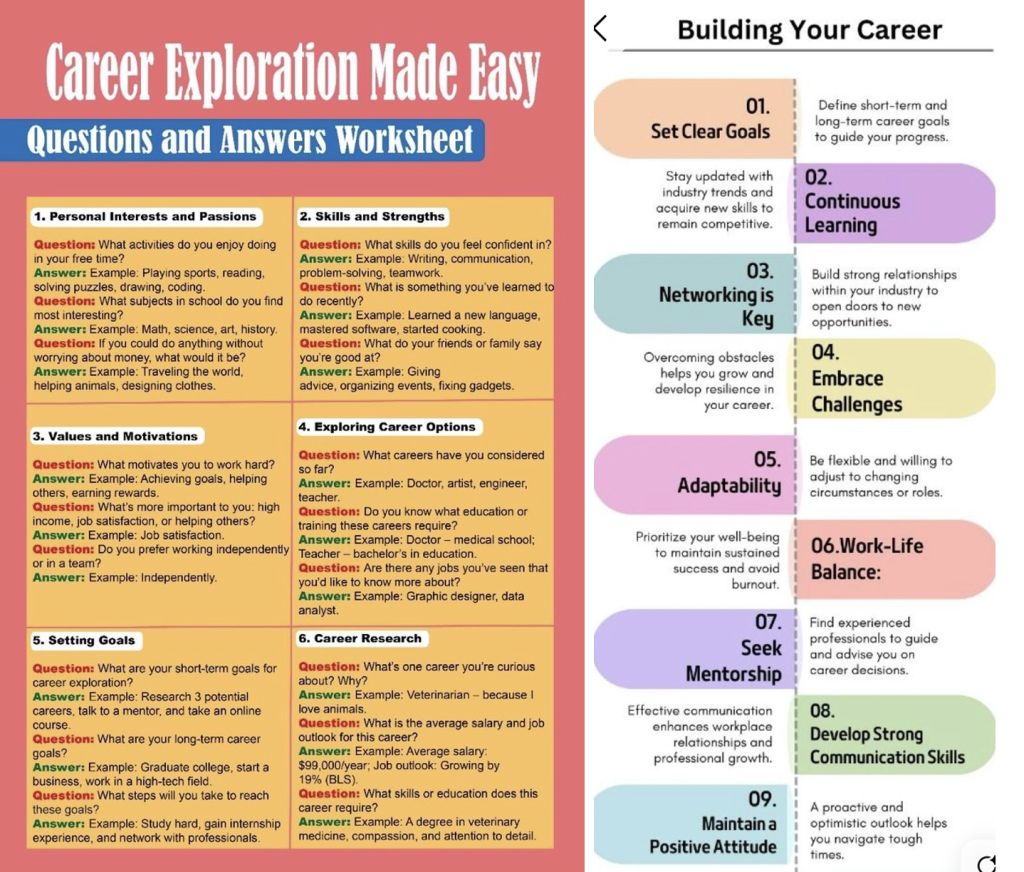
Interestingly in the last little while, I have been asked a lot for career guidance from those leaving school, just starting university or even those in their first job post degree. These questions are coming from young people themselves, but also from their parents who are helping them navigate the next steps in their lives. Those of us who a bit older know, there are no right answers in this area.
Choosing a University Degree: A Decision, Not a Life Sentence – The Twalk Perspective
For many school leavers, the question “What should I study?” arrives with a quiet but heavy pressure. At 17 or 18, you’re being asked to make a decision that feels like it will shape your entire future.
From a Twalk perspective – where thinking is clearer in motion, and perspective is found beyond four walls – it’s worth reframing this moment.
Choosing a degree isn’t choosing your life. It’s choosing your next step on the path.
You’re Making a Big Decision with Limited Perspective
At this stage of life, your world has been relatively structured – school subjects, exams, familiar environments. Your sense of what’s possible is still forming.
You haven’t yet had the chance to:
- Test yourself in different environments
- Experience the rhythm of real workplaces
- Fully understand how you respond to challenge, pressure, or freedom
And that’s okay. In fact, it’s expected.
At Twalk, we often see that clarity doesn’t come from sitting still and trying to “figure it all out.” It comes from movement – physically and mentally. From stepping outside, trying things, and allowing your thinking to evolve.
Your Degree Is a Starting Point, Not a Straight Line
One of the biggest myths is that your degree locks in your future. It doesn’t.
A degree is simply a platform:
- It builds your ability to think, question, and solve problems
- It exposes you to new ideas and people
- It opens initial doors
But your career path will likely twist, turn, and evolve as you do.
The modern world of work is not linear. It’s dynamic. The people who thrive are those who adapt, reflect, and adjust – not those who rigidly stick to a decision made at 18.
Clarity Comes From Walking the Path
At Twalk, there’s a core belief: you don’t find clarity by standing still – you find it by walking.
The same applies here.
You can think about your future endlessly, but real clarity comes from:
- Doing internships or part-time work
- Having conversations with people in different industries
- Trying, failing, learning, and trying again
Each experience gives you data. Each step sharpens your direction.
You Can Change Course – And You Should If It Feels Right
There’s strength, not weakness, in changing direction.
You can:
- Switch degrees
- Take time out to reassess
- Pivot into a completely different field later on
From a Twalk lens, this is simply part of the journey. When you’re walking a trail, you adjust your path based on what you see, what you learn, and where you want to go next.
Why should your career be any different?
Choose Direction, Not Destiny
Instead of asking, “What should I do for the rest of my life?”, ask:
- What am I curious about right now?
- What energises me?
- What do I want to explore next?
These are better questions – because they lead to action, not paralysis analysis.
Walk the Talk to Thrive
Your future won’t be decided by one choice. It will be shaped by the hundreds of steps you take afterwards.
So choose something that feels like a good next step, not a perfect final answer.
Then move. Explore. Reflect. Adjust.
Because in the end, it’s not about getting it right from the start – it’s about being willing to keep walking until you find what’s right for you.
My Story: A Real Life Example
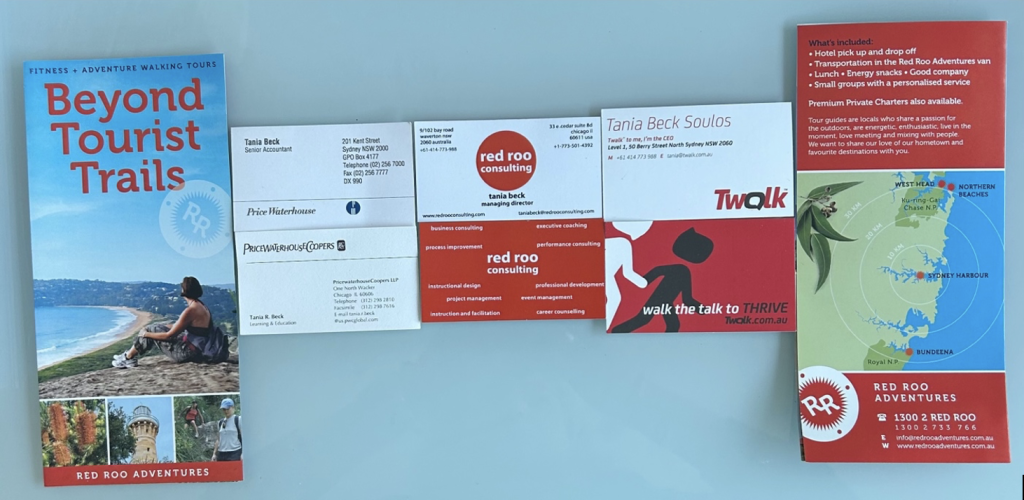
When I left school, I had no real idea what I wanted to do (who does when they are just 18 years old!) so I followed a family friend’s advice to do a cadetship with one of the Big Accounting firms – it would stand me in good stead for the rest of my life. So that is exactly what I did, applied for the cadetship, went for the interview, accepted the offer, enrolled into Commerce at UNSW. I ended up doing exceptionally well in the HSC and could have literally done anything. Should I have changed my mind and done Commerce/Law instead? Or I always wanted to be a primary school teacher – should I have followed by heart and just done that instead?
But I stuck with the plan and did the degree that would give me a good grounding for the years to come. After completing my degree while doing a cadetship at Pricewaterhouse, I went straight back to work and into my Professional Year to become a Chartered Accountant. The only thing was as soon as I got this professional qualification, I had the realisation that I didn’t see myself as an auditor or an accountant for the rest of my life – oops!!
Now what was I going to do? Luckily the partner I reported to, was also the one who originally recruited me, was keen to keep me at the Firm and I moved into their Learning & Development team responsible for training – in technical skills, soft skills, team building, leadership skills and the like. Luckily for me, this was a move I loved. I ended up part of this team in Australia, then working on global projects and then moving overseas to work in the US team for 5 years.
From there, I set up my own consulting business to help with my work life balance. And while I have toyed with other side ventures along the way, including an Adventure Walking Company, the consulting business has now been rebranded into Twalk – Leadership Development, Executive Coaching and helping people Walk the Talk to Thrive.
From this summary, you can see how my career has changed over the years, based on a variety of factors and various opportunities. It just shows you need to be flexible and open to change. Start something of interest and then let experiences shape your journey.


 © 2019